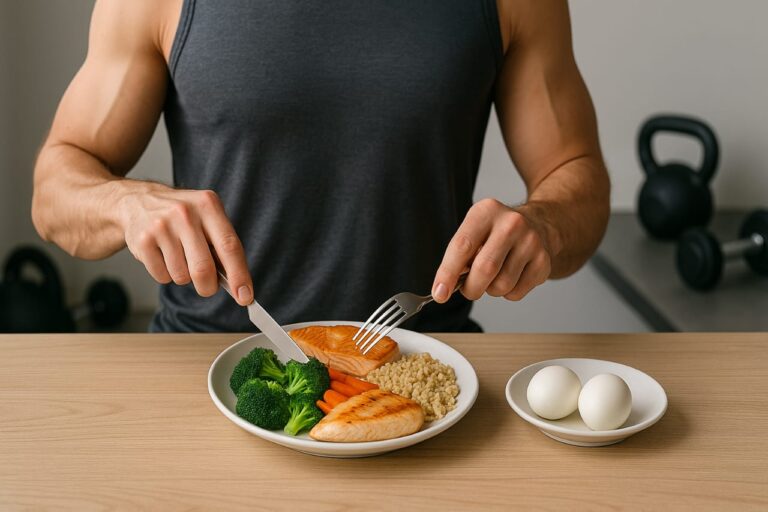
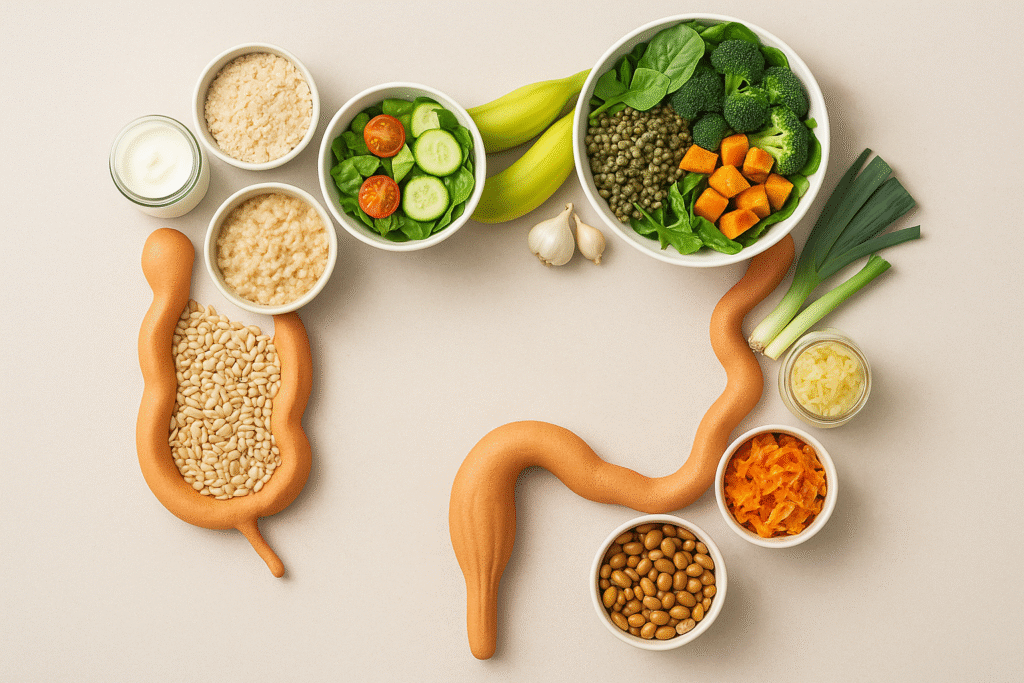
Gut health and weight loss are more connected than most people realize. If your microbiome is out of balance, you may face cravings, plateaus, or stubborn belly fat—even when you’re “doing everything right.” In this guide, we translate current science into practical steps you can use today. You’ll learn how your gut influences appetite, blood sugar, inflammation, and energy—and the best evidence-informed ways to fix it.
Quick note: This article is educational and not a substitute for medical care. See the disclaimer at the end.
Why the gut matters for weight
Your microbiome is the trillions of microbes (bacteria, fungi, viruses) that live in and on you. They help digest food, train the immune system, make vitamins, and produce signaling molecules that talk to your brain and metabolism. When these microbes are diverse and balanced, they can support steady energy, better appetite control, and smoother digestion—all helpful for fat loss. When diversity is low or certain species overgrow, the result may include more cravings, blood sugar swings, low-grade inflammation, and weight gain. Research links the microbiome to metabolic conditions like insulin resistance and obesity, though causality is still being untangled.
Bottom line: The microbiome isn’t the only lever in weight management, but it’s a meaningful one. Feed it well and it can help your plan work better; ignore it and you may fight an uphill battle.
Gut health and weight loss: the science
Here are the main ways a healthier gut may support fat loss:
- Short-chain fatty acids (SCFAs)
When gut bacteria ferment fiber, they produce SCFAs such as acetate, propionate, and butyrate. These molecules may improve insulin sensitivity, support the gut lining, and nudge satiety hormones like GLP-1 and PYY—signals that help you feel full and may reduce calorie intake. - Appetite hormones and the gut–brain axis
Microbial metabolites interact with enteroendocrine cells, influencing GLP-1, PYY, and ghrelin. Early-stage studies—including some in humans—suggest microbes can modulate these signals. Human evidence is still developing, so treat single-strain promises with caution. - Barrier function and inflammation
A well-fed, fiber-rich microbiome supports the intestinal barrier. When the barrier is compromised (often called increased intestinal permeability), fragments of bacterial cell walls can enter circulation. This may raise inflammation and worsen insulin resistance. Weight loss itself is often associated with increases in microbial diversity and markers of better barrier function. - Bile acids and fuel handling
Microbes transform bile acids, which can affect how you absorb fats and how your liver and muscles burn fuel. This is a promising area with human data emerging, but details are still being worked out. - Antibiotics and dysbiosis
Antibiotics are sometimes necessary, but they can reduce microbial diversity and shift communities, with effects that may linger. This is a good reason to avoid unnecessary use and to plan gut-friendly habits during and after prescribed courses.
Signs your gut may be off
Having one or two of these doesn’t prove dysbiosis, but patterns can be revealing:
- Frequent bloating, irregularity, or reflux
- Sugar cravings that spike late afternoon or at night
- Low energy after meals
- Skin flares (acne, eczema) that track with diet changes
- Intolerance to high-fiber foods (may mean you need a gentler ramp-up)
If symptoms are severe (unintentional weight loss, persistent abdominal pain, blood in stool, fever), seek medical care promptly.
How to fix it: a step-by-step plan
The most reliable way to improve gut health and weight loss at the same time is to prioritize fiber diversity, whole foods, and steady lifestyle rhythms. Use this practical plan.
Step 1 — Build a fiber-first plate (without overdoing it)
Aim for 25–38 g of fiber/day (women/men), increasing slowly if you’re not used to it. Mix soluble and insoluble fiber sources.
Prebiotic-rich choices (feed “good” bacteria):
- Chicory root, Jerusalem artichokes (inulin)
- Onions, garlic, leeks
- Asparagus, artichokes
- Oats and barley (beta-glucan)
- Beans and lentils
- Green bananas/plantains (resistant starch)
- Apples (pectin)
Why it helps: Prebiotics feed SCFA-producing microbes, which may support appetite hormones and blood sugar control important for fat loss.
Tip: Start with +5 g/day for a week, then add another +5 g to avoid bloating.
Step 2 — Add a daily fermented food
Include one serving/day of yogurt (with live cultures), kefir, sauerkraut, kimchi, miso, tempeh, or kombucha (low-sugar). Fermented foods can introduce beneficial microbes and may increase microbial diversity. Evidence varies by product; check that labels list live cultures.
Step 3 — Eat protein at each meal
Protein supports satiety and helps protect lean mass while losing fat. Pair protein with fiber and healthy fats to blunt glucose spikes and reduce cravings—indirectly helping your microbiome by reducing ultra-processed “blitzes.”
Step 4 — Favor polyphenol-rich plants
Berries, cocoa, coffee/tea, extra-virgin olive oil, herbs, and colorful vegetables provide polyphenols that microbes transform into helpful metabolites. These may reduce oxidative stress and support vascular health while you’re in a calorie deficit.
Step 5 — Time your meals (gently)
A consistent 12:12 eating window (e.g., 7am–7pm) can align with circadian rhythms. Some time-restricted patterns may shift microbiome composition alongside improvements in metabolic markers. Evidence is early and changes may revert, so choose a schedule you can sustain.
Step 6 — Move daily (even if it’s short)
Exercise seems to encourage a more diverse microbiome and may support fat loss through multiple pathways. You don’t need heroic sessions: brisk walks, cycling, strength training, and yoga all count. Aim for most days of the week.
Step 7 — Sleep and stress hygiene
Aim for 7–9 hours/night and build a stress toolkit (walks, breathwork, brief meditations). Sleep and stress shape appetite hormones and the microbiome via the gut–brain axis. Consistent bed/wake times help.
Step 8 — Be antibiotic-aware
Use antibiotics only when prescribed and necessary. If you receive a course, ask your clinician about timing of probiotics or fermented foods during/after treatment and about any interactions with your condition or meds.
Smart supplementation (with caution)
Supplements are secondary to diet and lifestyle. Evidence ranges from promising to mixed, and strain specificity matters.
- Probiotics: Certain strains of Lactobacillus and Bifidobacterium have been studied for appetite, weight, or waist measures. Effects are usually modest. Look for clinically studied strains, follow label dosing, and reassess at 8–12 weeks. (If you’re immunocompromised or critically ill, consult your physician first.)
- Prebiotic fibers: Inulin, partially hydrolyzed guar gum, and galacto-oligosaccharides (GOS) can help you reach fiber targets and may increase SCFAs, supporting satiety and glycemic control. Start low to reduce gas.
- Synbiotics: Combine probiotics + prebiotics. Choose products with transparent strain IDs and amounts.
- What about GLP-1 medications? If you use GLP-1 receptor agonists (for diabetes or obesity), your microbiome may still matter. Keep fiber and fermented foods in the plan unless your clinician advises otherwise. Some people need to adjust fiber during dose titration to manage GI side effects. Evidence is evolving.
- Fecal microbiota transplantation (FMT): FMT is reserved for specific medical conditions like recurrent C. difficile infection—not for routine weight loss. Do not attempt DIY approaches. Talk to your doctor if you have questions.
Meal ideas that feed your microbiome
Below is a flexible, microbiome-friendly day that supports gut health and weight loss. Adjust portions to your energy needs.
Breakfast
- Overnight oats with chia, ground flax, cinnamon, and kefir
- Topping: blueberries + chopped walnuts
Lunch
- Big salad: arugula + mixed greens, lentils, roasted squash, avocado, pickled red onion, pumpkin seeds
- Dressing: olive oil + apple cider vinegar + Dijon
Snack
- Apple + 2 Tbsp peanut butter
- Or carrot sticks with hummus
Dinner
- Grilled salmon (or tofu)
- Barley or quinoa pilaf with garlic and leeks
- Roasted Brussels sprouts with miso–tahini drizzle
Evening
- Herbal tea; keep kitchen closed after your 12-hour window
Prebiotic & Fermented Food Cheat Sheet
Category: Prebiotic fibers
Foods to try: Onions, garlic, leeks, asparagus, oats, barley, beans/lentils, apples, green bananas
Easy swap: Replace white rice with barley 2–3x/week
Category: Resistant starch
Foods to try: Cooked-then-cooled potatoes or rice, green banana flour
Easy swap: Cool your cooked potatoes before reheating
Category: Fermented foods
Foods to try: Yogurt (live cultures), kefir, sauerkraut, kimchi, miso, tempeh, natto
Easy swap: Add 2 Tbsp sauerkraut to bowls or sandwiches
Category: Polyphenols
Foods to try: Berries, cocoa, coffee/tea, extra-virgin olive oil, herbs/spices
Easy swap: Switch to extra-virgin olive oil for cooking
Troubleshooting plateaus
- Bloating when you add fiber? Dial back and increase by ~5 g/week. Try cooked veggies first; consider partially hydrolyzed guar gum for gentler tolerance.
- Hungry at night? Increase protein and fiber at lunch; include resistant starch at dinner (e.g., cooled rice).
- Constipation? Hydrate (aim for pale-yellow urine), add kiwi or ground flax, and walk after meals.
- Still stuck? Track your “plant points.” Aim for 30 different plants/week (herbs and spices count). Diversity fuels diversity.
- Medication check: Some meds affect weight or appetite. Discuss options with your clinician.
When to see a professional
- GI red flags: blood in stool, severe or persistent pain, fevers, unintentional weight loss
- Possible conditions that mimic “gut issues”: celiac disease, IBD, thyroid disorders, SIBO
- If you’re pregnant, breastfeeding, immunocompromised, or have chronic disease, discuss diet/supplement changes with your healthcare provider.
Internal resources from Trim & Stamina
- 7 Ways Stress Hormones Affect Weight Loss
- Morning Habits That Boost Metabolism: 7 Science-Backed Tips
- Sleep and Weight Loss: The Hidden Link + 7-Day Reset Plan
- How to Maintain Muscle in a Calorie Deficit: 9 Proven Steps
FAQs
1) Can improving gut health help me lose weight even without counting calories?
It may help by improving satiety and reducing cravings, but energy balance still matters. Gut-friendly changes often make a calorie deficit easier and more comfortable.
2) Do probiotics cause weight loss?
Some strains show small effects in studies, but results vary. Think of probiotics as a helper, not a magic bullet—diet quality and fiber diversity do more of the heavy lifting.
3) How long until I notice changes?
Some people feel better digestion within 1–2 weeks; shifts in weight or cravings may take 4–8+ weeks. Go slow with fiber increases to keep symptoms manageable.
4) Is “leaky gut” real?
Researchers use the term increased intestinal permeability. It can occur and is associated in some studies with metabolic issues. Improving diet quality and fiber may help.
5) Should I avoid all carbs for gut health?
Not necessary. Whole-food carbohydrates high in fiber (beans, oats, barley, fruits, vegetables) feed beneficial microbes and can support weight loss.
References
NIH — Human Microbiome Project overview: https://commonfund.nih.gov/hmp
NCCIH (NIH) — Probiotics: What You Need To Know: https://www.nccih.nih.gov/health/probiotics-what-you-need-to-know
MedlinePlus (NIH/NLM) — Dietary Fiber: https://medlineplus.gov/dietaryfiber.html
NIDDK (NIH) — Your Digestive System & How It Works: https://www.niddk.nih.gov/health-information/digestive-diseases/digestive-system-how-it-works
Medical Disclaimer: This content is for educational purposes and does not replace personalized medical advice.