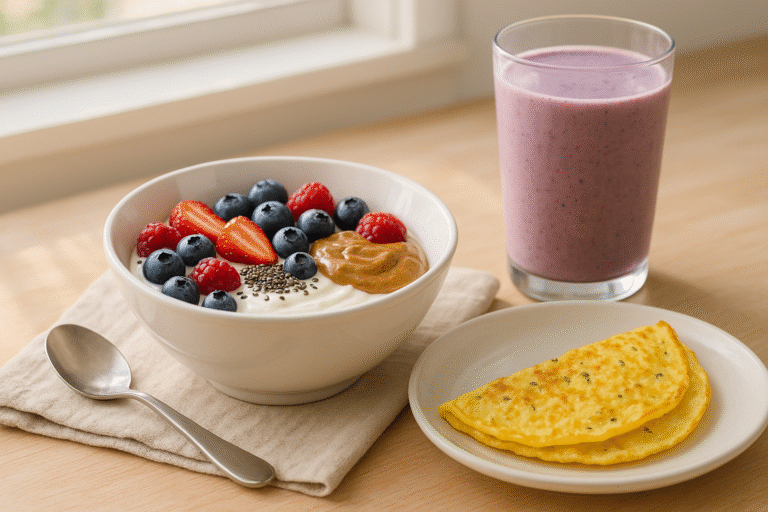

Your morning habits that boost metabolism can set the tone for energy, focus, hunger, and how your body uses calories for the next 12 hours. You don’t need a total life overhaul—just a few intentional choices right after waking may nudge hormones, appetite, and activity patterns in your favor. If poor sleep is dragging you down, start by fixing that foundation with our step-by-step plan in Sleep and Weight Loss: The Hidden Link + 7-Day Reset Plan.
Why your morning routine shapes your metabolism
Metabolism isn’t fixed. It adapts to daily “time cues” (light, food timing, activity, and stress). Human biology follows a circadian rhythm—many metabolic processes (glucose tolerance, insulin action, energy expenditure) show morning-leaning peaks when we align with daylight. The National Institutes of Health (NIGMS) explains that light is the primary signal for circadian rhythms, while food intake, stress, and activity also play roles. The cortisol awakening response—a natural ~30–45 minute rise in cortisol after you wake—helps mobilize energy for the day.
When mornings are chaotic—staying in the dark, doom-scrolling, skipping hydration, or slamming coffee before any food—these signals can go sideways, setting you up for crashes and cravings later.
The science behind “activating” your morning metabolism
- Hydration: After 7–8 hours without fluid, many people are mildly dehydrated. Even small deficits can affect mood and thinking. The CDC notes that water helps prevent dehydration symptoms like unclear thinking and mood changes, and research suggests that rehydration can improve cognition in dehydrated individuals.
- Morning light: Light to the eyes suppresses melatonin and anchors your internal clock. Harvard Health reports that morning light helps synchronize circadian rhythms and supports alertness and downstream health behaviors.
- Gentle movement: Physical activity acutely enhances insulin-independent glucose uptake for hours and consistently supports insulin sensitivity over time. Morning is not “mandatory,” but it’s a practical time to build consistency.
Bottom line: Your first 60–90 minutes after waking are a powerful window. Small, repeatable actions can create a metabolic tailwind for the day.
7 Morning Habits That Boost Metabolism
1) Hydrate before coffee (14–20 oz / 400–600 ml)
Start with 14–20 oz (400–600 ml) of water. This restores plasma volume after sleep and can improve alertness. If you dislike plain water, the CDC suggests infusing with fruit or herbs to make water more appealing without added sugar (CDC).
Coach’s tip: Keep a filled bottle on your nightstand. Aim to finish it before caffeine.
2) Get natural light within 30 minutes
Open curtains or step outside for 5–10 minutes. Morning light suppresses melatonin and strengthens the brain’s master clock; consistent morning light is linked with better sleep timing and daytime alertness. In darker months, consider a 10,000-lux light box for ~20–30 minutes (discuss device use with your clinician if you have eye or mood conditions).
Coach’s tip: Pair light with your water—stand by a window or take a quick balcony walk while you sip.
3) Move gently before breakfast (5–15 minutes)
No need for a hard workout. A brisk walk, mobility flow, or a few sets of bodyweight moves (squats, push-ups, hip hinges) increase blood flow and enhance glucose handling for hours. Contractions increase muscle glucose uptake via insulin-independent pathways; regular activity improves insulin sensitivity broadly.
Preserving lean mass while you lose fat is crucial for metabolic health. If you’re cutting calories, protect muscle with smart training and protein—our guide How to Maintain Muscle in a Calorie Deficit: 9 Proven Steps walks you through exactly how.
4) Eat a protein-rich breakfast (20–30 g)
For many (not all), skipping breakfast can backfire via late-day overeating. Trials in breakfast-skipping adolescents found that high-protein breakfasts improved appetite control, reduced evening snacking, and increased satiety signals.
Aim for ~25 g protein from whole foods or a quality whey/plant blend if you’re on the go.
Great options:
- Greek yogurt with oats and berries
- Eggs with avocado toast
- Protein smoothie with spinach and flax
5) Do 3–5 minutes of breathwork or mindfulness
A short mindfulness or breathing practice can reduce perceived stress and may support healthier glucose regulation indirectly through the stress system. Harvard Health highlights early evidence that mindfulness practices can help people with type 2 diabetes manage blood sugar, and meta-analyses show small but meaningful improvements in HbA1c alongside reduced stress and depression.
Try this: Inhale 4s, hold 4s, exhale 6–8s, repeat for 3 minutes before your first task.
6) Time your caffeine strategically
Coffee can aid focus and exercise performance, but timing matters. An acute trial found that coffee consumed immediately upon waking—especially after a poor night’s sleep—impaired glucose control at breakfast. Caffeine can also acutely elevate cortisol in many people.
Practical play: Delay coffee until after you’ve had some light, movement, and (ideally) a protein-forward bite—or at least 60+ minutes post-wake.
7) Replace doom-scrolling with a calmer cue
High cognitive/emotional load right after waking can amplify stress responses, which can ripple into food choices and motivation. The American Psychological Association has documented links between heavy media exposure and stress, offering strategies to set limits and reduce overload; see also APA’s Stress in America reports). Swap the feed for a 2-minute gratitude note, one page of a book, or a short walk.
Common morning mistakes that can slow your metabolic momentum
- Skipping hydration: More likely to feel foggy and irritable; dehydration can impair cognition and mood.
- Fasted training that’s too long/intense (for you): Can feel “wired then tired” and may encourage overeating later; personalize fuel timing.
- Slamming coffee right away: May worsen glucose control at breakfast in some; try delaying.
- Refined-carb-heavy breakfast: Spikes → crash → cravings; add protein/fiber.
- Checking work notifications immediately: Elevates stress load before you’ve built focus; try a 15–30 minute “no-rush buffer”.
A sample metabolism-friendly morning (90 minutes)
| Time | Habit | Why it helps |
|---|---|---|
| 6:30 | Drink 2 glasses of water | Fights dehydration; supports clarity and digestion. |
| 6:35 | Get 5–10 min of daylight | Anchors circadian rhythm; improves alertness. |
| 6:45 | 10-minute mobility or walk | Primes muscles; improves glucose handling. |
| 7:00 | 3 minutes breathwork | Lowers perceived stress; supports healthier choices. |
| 7:15 | Protein-rich breakfast | Enhances satiety; reduces evening snacking. |
| 7:45 | Coffee (optional) | Focus boost once cortisol/glucose are steadier. |
Consistency beats perfection. Miss a step? Reset at the next cue (light, movement, or protein) and move on.
How to build consistency (even on busy days)
- Stack habits: attach new actions to existing cues (hydrate while your coffee brews; stretch while your shower warms).
- Prepare the night before: set out a bottle, clothes, and a 5-ingredient breakfast plan.
- Use “tiny wins”: if time is tight, do the 2-minute version (10 squats, 30-second breath, sip water, step outside).
- Track what matters: mark energy/appetite (not just weight) for 2–3 weeks to see trends.
- Prioritize sleep: no morning routine compensates for chronic sleep loss; treat bedtime like an appointment.
- Make it visual: place a bright sticky note on your kettle or coffee maker: “Water → Light → Move → Protein.”
Key takeaways
- Hydration + morning light are fast cues with measurable effects on alertness and rhythm alignment.
- Gentle AM movement improves glucose handling; protein at breakfast can reduce cravings later.
- Caffeine timing matters for some—try waiting until after light/movement/food.
- Stress-smart starts (mindfulness, no doom-scrolling) can steady choices all day.
FAQs
1) How quickly will I notice a difference?
Many people report steadier energy within 7–10 days of consistent hydration, light, and movement. Appetite improvements often appear after adding 20–30 g breakfast protein for a week or two; high-protein breakfasts have reduced evening snacking in trials.
2) Can I skip breakfast and still support metabolism?
Yes—if you feel better fasting and keep calories/nutrients balanced. Focus on water, light, and a short walk first. If late-day snacking becomes an issue, test a protein-forward breakfast for two weeks and compare hunger and energy.
3) Is cold exposure a real metabolism booster?
Cold exposure activates brown adipose tissue (BAT) and can modestly raise energy expenditure, but real-world weight loss from cold alone appears limited; it’s best as a complementary tool. Start mild (cooler shower finish) and be mindful of comfort/medical conditions.
4) What’s the best time of day to exercise for blood sugar?
It depends. Some studies associate afternoon/evening activity with lower insulin resistance in specific groups, but the best time is the one you’ll do consistently. Morning sessions are great for building momentum, especially if your afternoons are unpredictable.
5) Does coffee on an empty stomach harm metabolism?
Not inherently—but a randomized trial found coffee before breakfast impaired glucose control after poor sleep. If you’re sensitive, try delaying caffeine or pairing it with protein/fiber.
References (selected)
- CDC — Drinking Water & Hydration: Fast Facts; Water & Healthy Drinks
- NIH — Circadian Rhythms (NIGMS): Fact Sheet
- PubMed — High-Protein Breakfast Trials: Leidy 2010; Leidy 2013
- PubMed — Exercise & Insulin Sensitivity: Borghouts 2000; Whillier 2020
- Harvard Health — Morning Light & Circadian: Sleep/Wake & Light
- Coffee Timing & Glucose: University of Bath 2020; Smith 2020
- Mindfulness & Glycemia: Harvard Health 2023; Ni 2020; Hamasaki 2023
- APA — Media Overload & Stress: APA Monitor 2022
Medical disclaimer: This content is for educational purposes and does not replace personalized medical advice. Always consult a qualified healthcare professional before changing your diet, exercise, caffeine, cold exposure, or supplement routine.